
Gangneung is already famous for its beaches, coffee culture and one particularly gentle Korean speciality: Chodang sundubu.
Now the coastal city’s tofu neighbourhood is getting a new identity. On October 27, Gangneung launched 2026 Chodang K-Food Road: Mochoreom Chodang (모처럼 초당), a programme combining traditional tofu, dessert workshops, cultural experiences and leisurely neighbourhood exploration.
Running until November 30, the initiative gives travellers another reason to spend time in Gangneung beyond the beachfront.
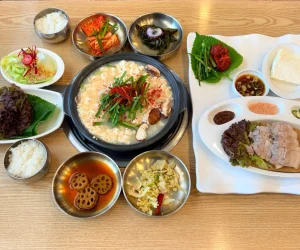
1. Why is Chodang famous for tofu?
Chodang is a neighbourhood in Gangneung known for sundubu, a delicate, soft tofu made from soybeans. Unlike firmer tofu varieties, sundubu has a silky texture and a mild flavour. Chodang’s traditional tofu-making identity is closely associated with the area’s coastal heritage.
Visitors often encounter it in simple tofu dishes or warming stews, accompanied by rice and Korean side dishes. The appeal is not necessarily elaborate seasoning. It is the subtle flavour and texture of the tofu itself.
That makes Chodang an interesting destination for travellers who want to understand Korean food beyond barbecue, fried chicken and spicy noodles.
2. From tofu restaurants to hands-on experiences
The new programme moves beyond simply eating at a restaurant. One activity, Chodang 15, introduces visitors to Chodang tofu’s traditions and production process. Another focuses on making tofu-based desserts, bringing a familiar Korean ingredient into a more contemporary setting.
There are also opportunities to explore how traditional food can be presented through cooking, local storytelling and cultural activities. The programme is operated by the Gangneung Cultural Foundation as part of a wider K-Food Road tourism initiative.
Individual workshop dates, fees and reservation arrangements should be checked with the organiser rather than assuming every experience operates daily.
3. A food trip with music, forests and evening activities
The programme also makes room for experiences unrelated to cooking. Chodang Music Therapy combines music and relaxation, while Chodang Night Stories (초당 야화) introduces evening experiences in the pine forest.
A lounge concept offers space to slow down, and neighbourhood walking activities encourage visitors to explore the streets between food stops. The Guseokguseok Chodang QR stamp tour adds a playful reason to discover different parts of the area. A dedicated TOFU pop-up store is also planned to showcase local products and ideas.
Rather than turning every visitor into a cooking student, the organisers are offering several ways to spend a longer afternoon in the neighbourhood.
4. How to plan a Chodang visit
Gangneung is on Korea’s east coast and is accessible from Seoul by KTX train. For a relaxed visit, start with a traditional sundubu meal, explore the Chodang neighbourhood, then choose one cultural or dessert experience if reservations are available.
The nearby coastal scenery and pine forests make it possible to combine food discovery with a gentle walk. If you are travelling from Seoul, allow enough time for transportation between Gangneung Station, Chodang and any other attractions.
Check the official programme schedule before departure, particularly if your visit depends on a specific workshop. The event runs through November 30, but not every activity necessarily runs throughout that period.
The ThisKovery Take
Chodang’s new food programme reflects an appealing direction for Korean tourism. Instead of asking visitors to rush through a checklist of famous restaurants, it invites them to understand the ingredient, meet the neighbourhood and stay a little longer. Sometimes a bowl of tofu is a good starting point for discovering an entire place.