
316 films, international stars and ten days of cinema. South Korea’s biggest international film festival is back in Busan.
The 31st Busan International Film Festival (BIFF) opened on October 6, bringing filmmakers, actors and cinema enthusiasts together for one
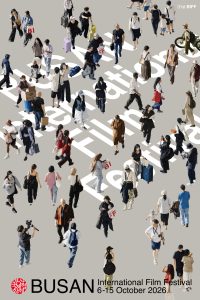
of Asia’s most important film events.
Running until October 15, BIFF 2026 features 316 films from 59 countries, including 69 Community BIFF screenings.
But beyond the red carpet, what makes this year’s festival worth following?
Here are four things to know.
1. Korean cinema takes centre stage
This year’s opening film, The Table: Day and Night (낮과 밤은 서로에게), is directed by Korean filmmaker Kim Jong-kwan.
The opening ceremony was hosted by actress Kim Min-ha, while the festival welcomed major figures from across the international film industry.
BIFF is particularly interesting because it gives emerging Korean filmmakers a platform alongside established directors.
Its competition programme and Korean cinema selections provide a window into stories that may eventually reach international festivals, cinemas and streaming platforms.
For international audiences, the festival offers an opportunity to discover Korean films before they become widely available overseas.
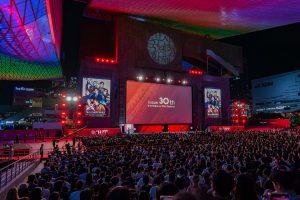
2. Michelle Yeoh and international filmmakers in the spotlight
One of this year’s major honourees is Michelle Yeoh, recipient of the Asian Filmmaker of the Year award.
The internationally celebrated actress is recognised for her contributions to cinema across Asia and Hollywood.
Hong Kong filmmaker Ann Hui received the Camellia Award, while former BIFF chairperson Kim Dong-ho was honoured with the Korean Cinema Award.
Their recognition reflects the festival’s wider identity.
Although held in South Korea, BIFF has always been a meeting point for filmmakers from across Asia and beyond.
It is as much about discovering different cinematic voices as celebrating familiar stars.
3. There’s more to BIFF than film screenings
One of the most appealing aspects of BIFF is how much happens outside traditional cinema halls.
The festival includes Open Talks, outdoor stage greetings, filmmaker discussions and masterclasses.
This year’s programme features appearances and sessions involving Korean actors and internationally recognised filmmakers.
Community BIFF also brings cinema into the streets of Nampo-dong, one of Busan’s historic film districts.
Its October 8–11 programme includes outdoor screenings and audience-focused events.
For visitors, this creates a different experience from simply purchasing a cinema ticket.
The festival becomes part of the city itself.
4. Can international visitors still experience BIFF?
Yes. The festival continues until October 15, although individual screenings and events depend on ticket availability.
Most official screenings take place around Busan Cinema Center and the Centum City area.
Visitors can check the official BIFF website for film schedules, screening venues and ticket information.
Some events are free or accessible outside conventional screenings, although registration or capacity restrictions may apply.
For those who cannot visit Busan, following the festival’s official announcements is still worthwhile.
BIFF regularly introduces films and filmmakers that deserve attention well beyond their initial festival screenings.
The ThisKovery Take
BIFF is one of the best places to see Korean cinema beyond the familiar world of mainstream K-dramas and blockbuster films.
It brings together independent filmmakers, international cinema, established stars and emerging creative voices.
For anyone curious about where Korean storytelling might go next, Busan is a particularly interesting place to look.
And the most exciting discoveries aren’t always the films with the biggest names.
Related on ThisKovery: K-Pop Isn’t Just Selling Music Anymore · More Korean Culture