
K-beauty is getting more clinical.
Not in the sense that every moisturiser is suddenly a medical product, but in the way Korean consumers are choosing skincare: more attention to ingredients, testing, specific skin concerns and brands with pharmaceutical or dermatology roots.
That shift is helping dermocosmetics move from a specialist niche into mainstream Korean beauty.
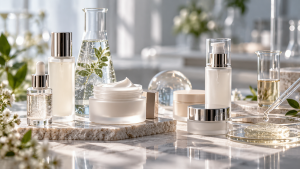
What are dermocosmetics?
Dermocosmetics sit somewhere between everyday skincare and products developed with stronger dermatology, pharmaceutical or clinical positioning.
They are still cosmetics, not medicines, and the label does not automatically make a product medically superior.
But brands in this category often emphasise barrier care, sensitive skin, post-procedure recovery, functional ingredients and research-backed formulation.
In Korea, that language is becoming increasingly familiar to ordinary beauty shoppers.
The category is growing fast
OLIVE YOUNG says its dermocosmetics sales have grown by an average of 24% annually since 2020, while first-quarter 2026 sales were 205% higher than in 2020.
The retailer has responded by developing its Advanced Derma category, bringing pharmaceutical and dermatology-rooted Korean brands into a much more visible everyday shopping environment.
That is significant because dermocosmetics used to feel specialist.
Now they are increasingly sitting alongside mainstream K-beauty rather than outside it.
Ingredient literacy is changing how Koreans shop
Korean shoppers are also getting more specific about what they expect skincare to do.
Among OLIVE YOUNG’s fastest-rising skincare search terms during the first half of 2026 were ingredients including EGF, niacinamide, madecassoside and tranexamic acid.
That fits a wider pattern we have already been watching on ThisKovery.
Consumers increasingly shop by concern + ingredient, rather than simply choosing a familiar brand or attractive package.
The same behaviour helped ingredients such as PDRN move from clinic-adjacent terminology into everyday Korean beauty conversation.
Aftercare is becoming part of beauty too
Another force behind the trend is Korea’s growing dermatology and cosmetic-procedure market.
Seoul Economic Daily reported increasing demand for products positioned around post-procedure care, including barrier and recovery creams. The same reporting notes that Korea’s dermocosmetics market is expanding alongside the rise in dermatology visitors and pharmacy-based beauty shopping.
That does not mean cosmetic products should be treated as substitutes for medical advice.
But it helps explain why words such as barrier, recovery, clinical and derma are becoming much more visible on Korean beauty shelves.
The ThisKovery Take
The next chapter of K-beauty may be less about discovering one spectacular viral ingredient.
It may be about discovering categories built around efficacy, concerns and trust.
Dermocosmetics fit that shift perfectly.
For international shoppers, the useful question is not whether a product looks medical.
It is what the formula is designed to do, what evidence supports it and whether it actually suits your skin.
K-beauty is becoming more technical.
The shopping conversation is following.
Related on ThisKovery: Why Koreans Are Starting to Buy Skincare at Pharmacies, PDRN in Korean Skincare, and Why Korean Haircare Is Starting to Look a Lot Like Skincare.