
Seoul’s royal palaces are no longer simply places to admire traditional architecture.
They’re becoming living cultural destinations where visitors can experience Korean clothing, music, history and performance.
The latest evidence comes from the 2026 autumn K-Royal Culture Festival, which attracted approximately 445,000 visitors between October 7 and 11.
And international visitors played a significant role in that turnout.
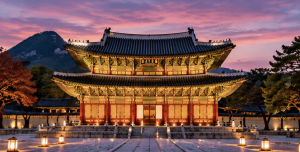
1. More than 113,000 international visitors joined the festival
According to Korea’s heritage authorities, 113,388 international visitors attended the autumn festival, representing approximately 26% of total attendance.
The festival took place across Seoul’s four major royal palaces: Gyeongbokgung, Changdeokgung, Deoksugung and Changgyeonggung, as well as Jongmyo Shrine.
The programme brought together historical reenactments, traditional clothing, exhibitions, performances and participatory experiences.
Across its spring and autumn editions, the 2026 festival attracted approximately 1.17 million visitors.
The numbers highlight the growing international audience for Korean cultural experiences beyond contemporary entertainment.
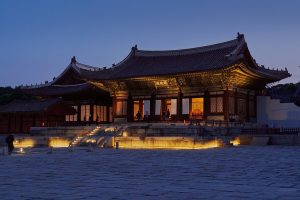
2. Hanbok is becoming an experience, not just a photograph
One of the festival’s signature events was the Gyeongbokgung Hanbok Royal Banquet.
Rather than simply renting traditional Korean clothing for photographs, participants could experience elements of royal ceremony, historical dress and palace culture.
At Changdeokgung, visitors could explore architectural heritage and exhibitions, while other venues introduced traditional performance and educational activities.
These experiences offer something different from a conventional museum visit.
Visitors are invited to participate in Korean heritage, not simply observe it from a distance.
3. Korean heritage is meeting contemporary entertainment
The festival also demonstrated how traditional and contemporary Korean culture can share the same stage.
Its opening programme featured performances spanning Korean traditional music and K-pop.
Elsewhere, royal palace spaces became venues for exhibitions, storytelling and immersive nighttime experiences.
This combination is especially interesting for international visitors who first discovered Korea through music, dramas or fashion.
A fascination with modern Korean culture can become an introduction to the country’s historical traditions.
4. Can visitors still experience Seoul’s palaces this autumn?
Although the main autumn festival ended on October 11, Seoul’s royal palaces remain worth exploring throughout the season.
A related nighttime attraction, the Moonlight Lotus Show at Changgyeonggung Palace, is scheduled to continue until November 1, 2026.
The programme uses light and visual projections around the palace’s Chundangji Pond area.
Selected viewing zones require advance reservations, and visitors should check the official programme for current dates and ticket availability.
For travellers visiting Seoul later in autumn, the royal palaces also provide an opportunity to appreciate traditional architecture against the changing seasonal landscape.
The ThisKovery Take
Korea’s cultural appeal is expanding beyond the screen.
The popularity of palace experiences suggests that visitors increasingly want to participate in the traditions behind the Korean stories, aesthetics and performances they already enjoy.
For travellers, that means Seoul’s historic palaces deserve a place alongside the city’s modern shopping and entertainment districts.